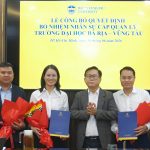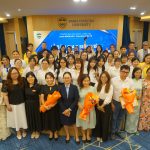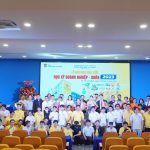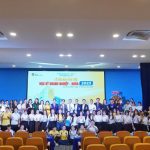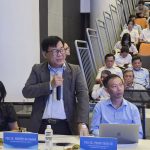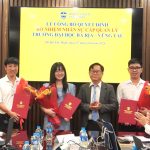

On the morning of September 17, 2026, a delegation from Ba Ria – Vung Tau University (BVU) held an in-person working session with the Party Committee and People’s Committee of Rach Dua Ward. The meeting aimed to discuss strategic development directions, coordination needs, and explore partnership opportunities across training, professional development, research, consultancy, digital and green transformation, experiential activities, internships, entrepreneurship, and community service.
Attending the meeting on behalf of Rach Dua Ward’s leadership were:
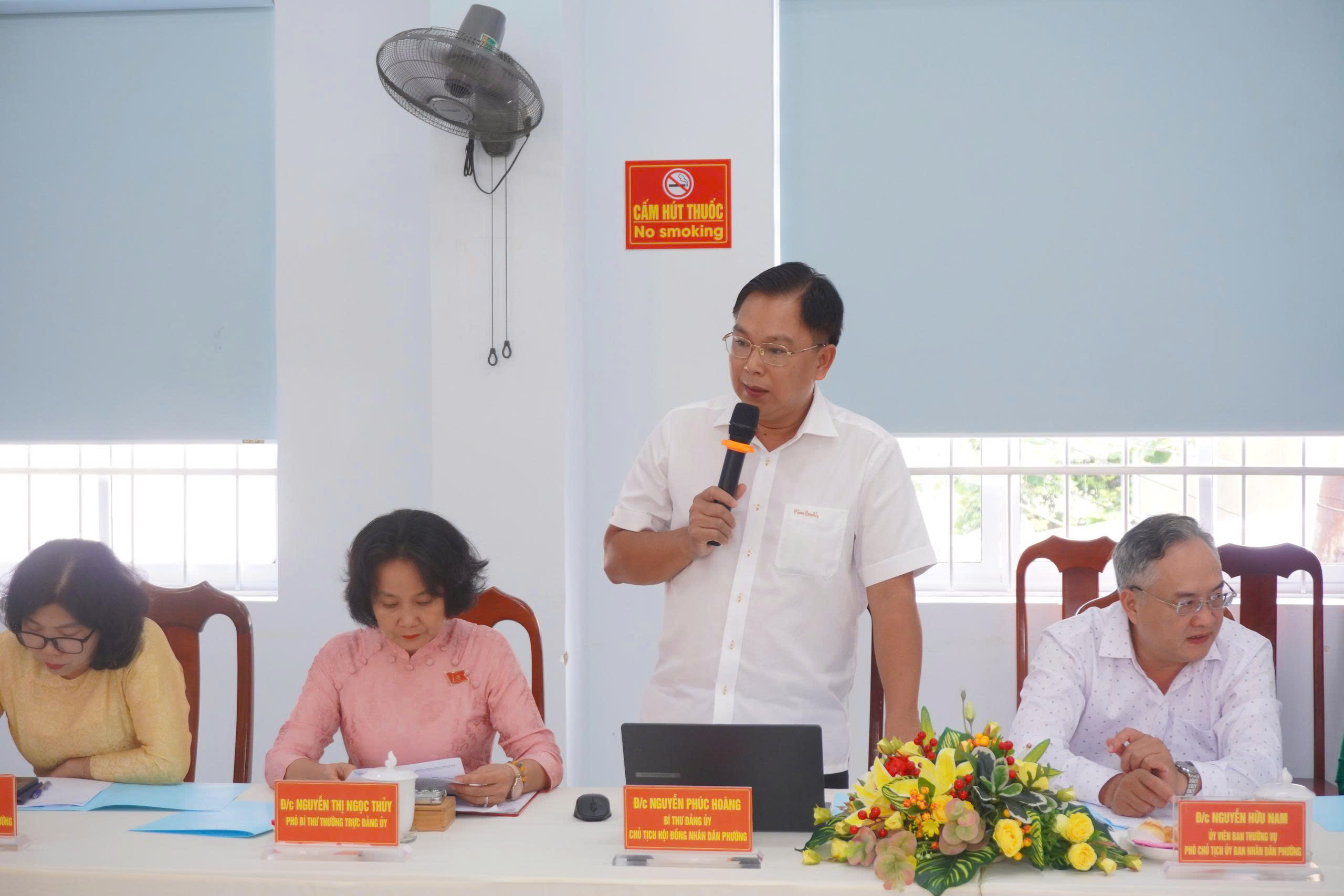
- Comrade Nguyen Phuc Hoang – Secretary of the Ward Party Committee, Chairman of the Ward People’s Council
- Comrade Nguyen Thi Ngoc Thuy – Standing Deputy Secretary of the Ward Party Committee
- Comrade Nguyen Thi Mai Diem – Member of the Standing Committee of the Ward Party Committee, Chairwoman of the Vietnam Fatherland Front Committee of the Ward
- Comrade Truong Thi Hong Linh – Member of the Standing Committee of the Ward Party Committee, Vice Chairwoman of the Ward People’s Council
- Comrade Nguyen Huu Nam – Member of the Standing Committee of the Ward Party Committee, Vice Chairman of the Ward People’s Committee
- Comrade Can Thi Thu – Member of the Standing Committee of the Ward Party Committee, Head of the Ward Party Building Commission
- Comrade Lam Thanh Phuong – Member of the Standing Committee of the Ward Party Committee, Chief of the Ward Party Committee Office
- Comrade Tran Viet Trung – Member of the Standing Committee of the Ward Party Committee, Chief of the Ward Police
- Comrade Huynh Xuan Vinh – Member of the Ward Party Executive Committee, Vice Chairman of the Ward People’s Committee
- Comrade Tran Thi Xuan – Member of the Ward Party Executive Committee, Vice Chairwoman of the Ward People’s Committee
Along with representatives from the Office of the Ward Party Committee and the Office of the Ward People’s Council and People’s Committee.
Representing Ba Ria – Vung Tau University were:
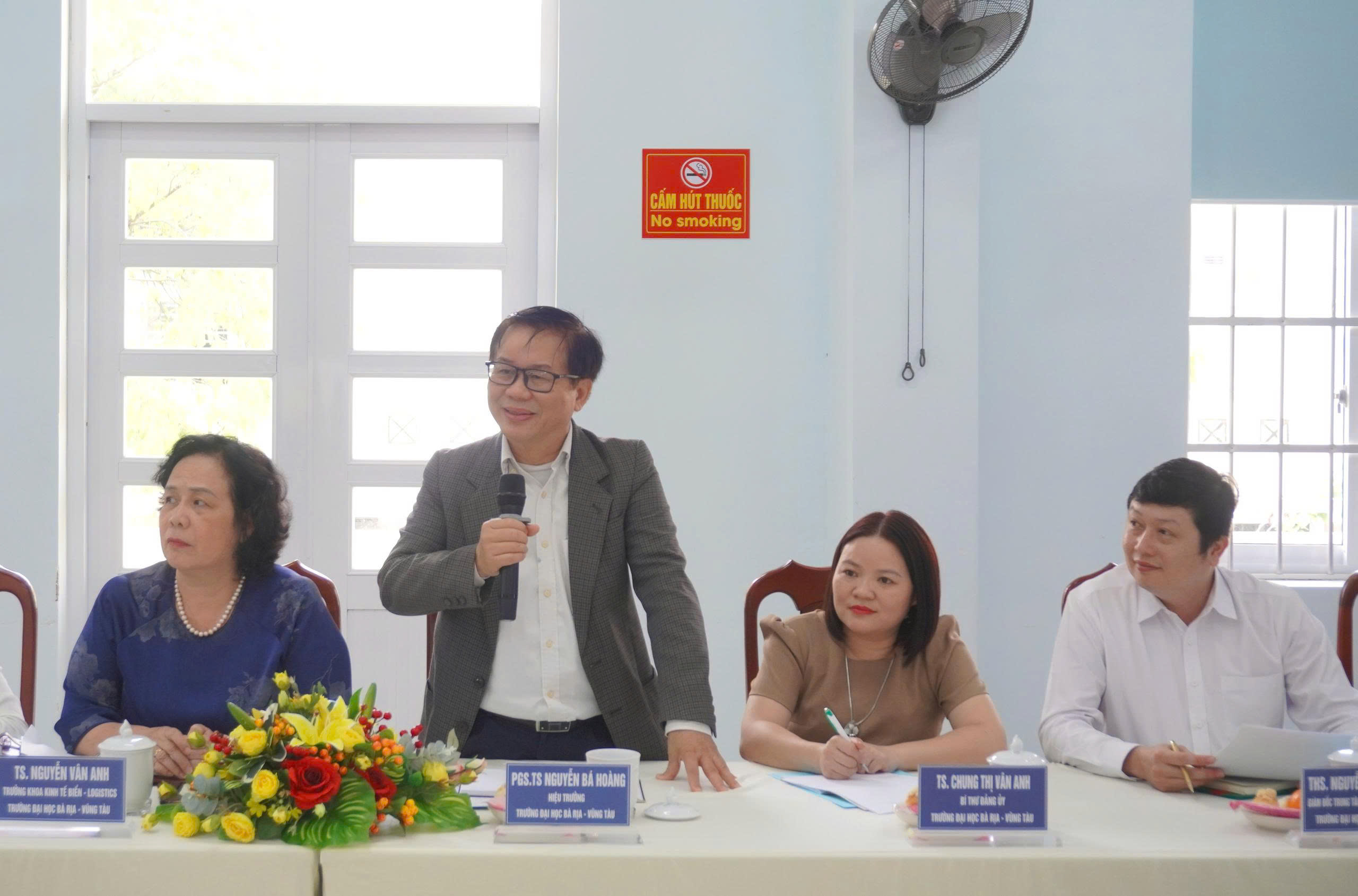
- Assoc. Prof. Dr. Nguyen Ba Hoang – President of BVU
- Dr. Nguyen Van Anh – Dean of the Faculty of Maritime Economics and Logistics
- Dr. Chung Thi Van Anh – Deputy Secretary of the Party Committee, Vice Dean of the Faculty of International Languages and Cultures
- Dr. Huynh Van Huy – Dean of the Faculty of Engineering and Technology
- M.S. Do Thanh Phong – Vice Dean of the Faculty of Maritime Economics and Logistics
- Ph.D. Candidate, M.S. Trinh Dinh Cuong – Vice Dean in charge of the Faculty of Business Administration and Law
- M.S. Ta Quoc Toan – Vice Dean of the Faculty of Tourism and Healthcare
- Dr. Vo Minh Hung – Director of the Institute of Online and Continuing Education
- M.S. Nguyen Minh Trung – Director of the Marketing and Admissions Center
- M.S. Tran Thi Duyen – Head of Admissions, Institute of Postgraduate Studies
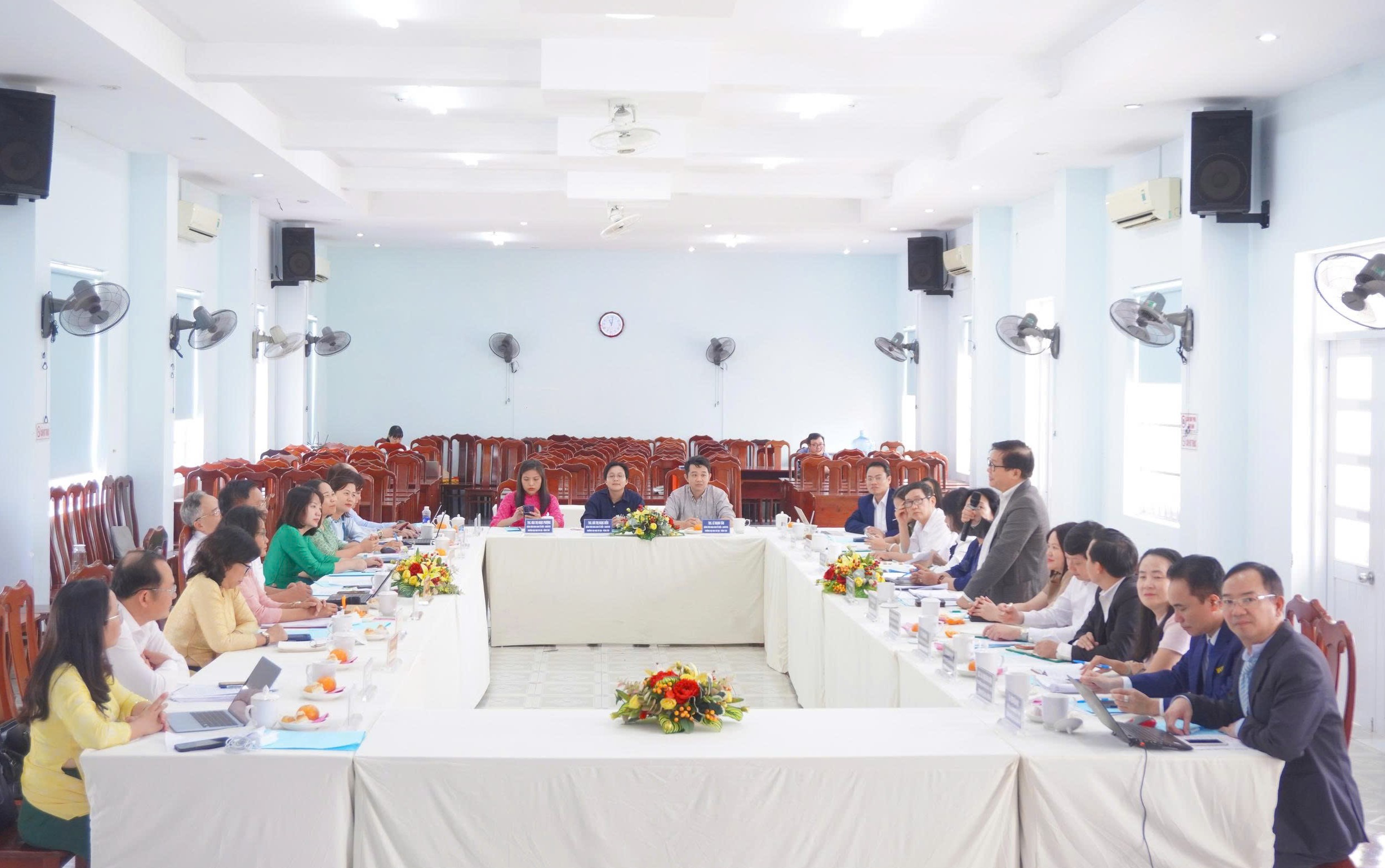
Together with faculty members and staff across BVU departments.
Comrade Nguyen Phuc Hoang, Secretary of the Ward Party Committee and Chairman of the Ward People’s Council, noted that the ward is seeking practical solutions to enhance public administration efficiency and drive socio-economic growth. Partnering with a university located directly within the locality not only addresses technical and consulting needs, but also channels youthful energy from students directly into local community projects.
From an academic perspective, Assoc. Prof. Dr. Nguyen Ba Hoang, President of BVU, affirmed the university’s commitment to stepping outside conventional classrooms, using local real-world challenges as empirical research topics and experiential learning environments. The university’s institutional strengths in logistics, supply chain management, digital technology, and sustainable development will serve as core foundations to roll out concrete collaborative initiatives going forward.
PROPOSED AREAS OF COLLABORATION WITH BVU
Following a brief overview of the local socio-economic landscape, Party-building efforts, political apparatus, and prevailing challenges, the Rach Dua Ward People’s Committee proposed seven key collaborative areas with BVU:
Residency Management and Population Data: Monitor demographic shifts and living conditions of off-campus student renters; coordinate updates to the VNeID platform to maintain accurate, sufficient, clean, and live population data.
Urban Order, Fire Safety, and Public Security: Conduct routine inspections of commercial and service venues around the campus; review off-campus boarding houses; and organize fire drills, evacuation procedures, and fire safety workshops for students and local business owners.
Education, Training, and Human Capital Development:
- Offer short-term courses for ward officials covering local governance, digital transformation, AI adoption, policy communication, and public investment budgeting; assist in administrative digitization.
- Deliver public administration training for students aiming for civil service examinations or corporate careers.
- Partner on career guidance, job placement, entrepreneurship mentorship, and scholarships for disadvantaged, resilient students.
Research and Policy Advisory for Local Development: BVU faculty and subject-matter experts provide advisory and critical review on real-world local issues, including two-tier urban governance, the night-time economy, tourism, marine spatial planning, traffic flow management, and social welfare programs.
Digital Transformation, Science & Technology, and Community Support: Integrate technological and AI tools into administrative workflows; deploy the “Digital Mass Literacy” initiative to help residents and local business owners navigate public online services.
Harnessing Student Resources: Place students in local internships, applied research projects, and volunteer programs; co-host STEM events, innovation challenges, and life-skills workshops for local K-12 students.
Social Welfare and Environmental Protection: Mobilize resources to support policy-beneficiary families and underprivileged households; join hands to safeguard the environment, sort waste at the source, reduce single-use plastics, and plant trees.
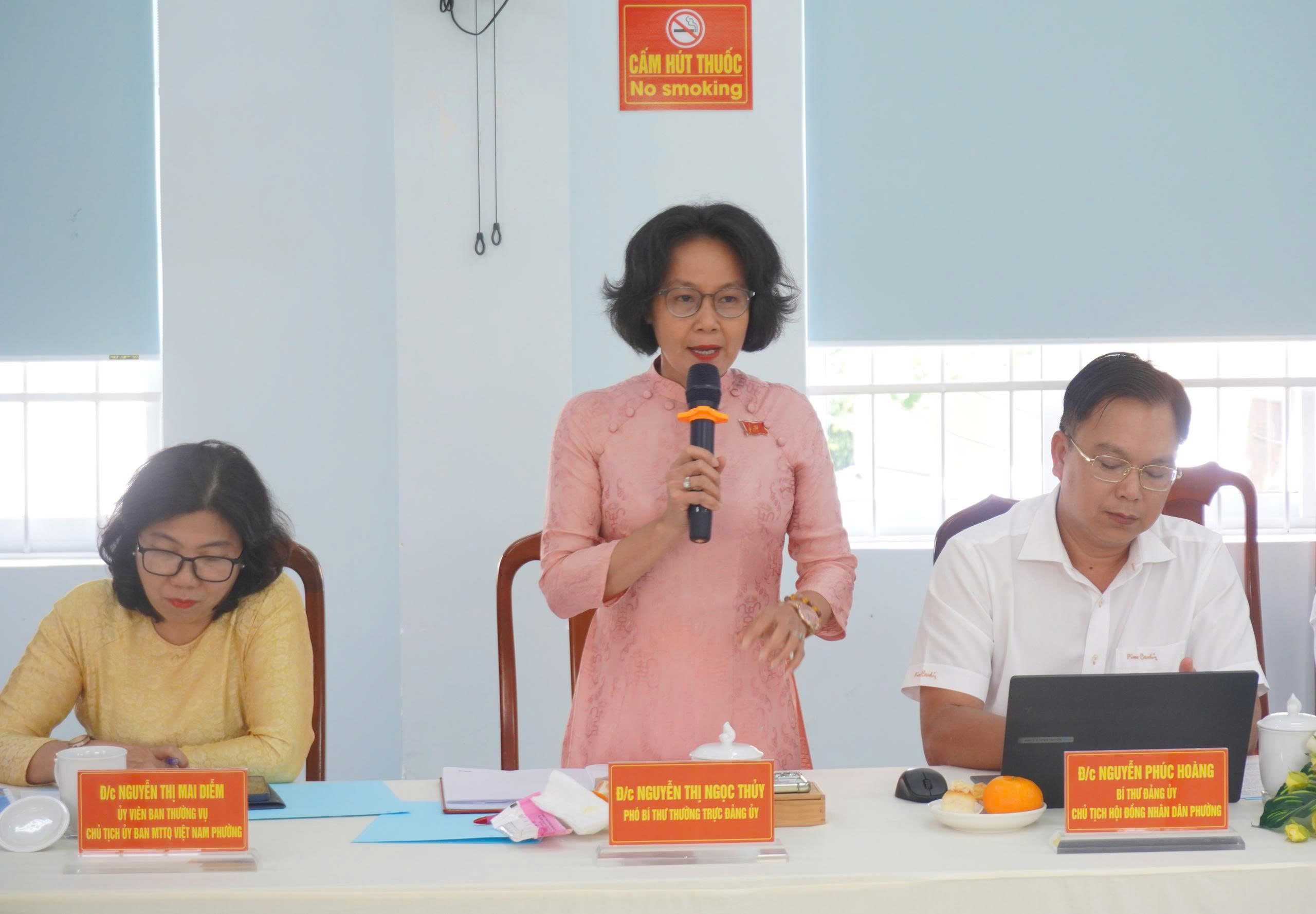
BVU PROPOSES PRACTICAL SOLUTIONS TO EMPOWER THE LOCALITY
In response to the ward leadership’s proposals, representatives from BVU faculties, institutes, and centers put forward concrete initiatives:
Faculty of Engineering and Technology: Dr. Huynh Van Huy confirmed the faculty possesses full technical capacity to meet the ward’s operational and technological requirements.
Faculty of Business Administration and Law: Ph.D. Candidate, M.S. Trinh Dinh Cuong proposed inviting ward officials as guest speakers during Student Civic Week; rolling out targeted short-term training; offering legal aid and business management support for local small and medium-sized enterprises (SMEs); and conducting citizen satisfaction surveys. Additionally, the faculty suggested co-organizing STEM/robotics festivals, startup competitions, and job fairs for local youth, as well as engaging corporate partners to sponsor student hardship funds.
Institute of Online and Continuing Education: Dr. Vo Minh Hung proposed delivering on-site second-degree and professional certification courses (focused on English Language and Information Technology) directly at the ward headquarters.
Faculty of International Languages and Cultures: Dr. Chung Thi Van Anh proposed structured mechanisms to manage on- and off-campus housing, promote youth union exchanges, and bridge internship and employment pipelines for graduates.
Faculty of Tourism and Healthcare: M.S. Ta Quoc Toan proposed dispatching healthcare students to assist with community health screenings, while providing front-desk etiquette and protocol training for municipal frontline staff.
Marketing and Admissions Center: M.S. Nguyen Minh Trung recommended boosting joint policy communication campaigns and hosting career exploration seminars for local high school students.
Institute of Postgraduate Studies: M.S. Tran Thi Duyen suggested facilitating flexible access for local civil servants and public employees to enroll in master’s and doctoral degree programs.
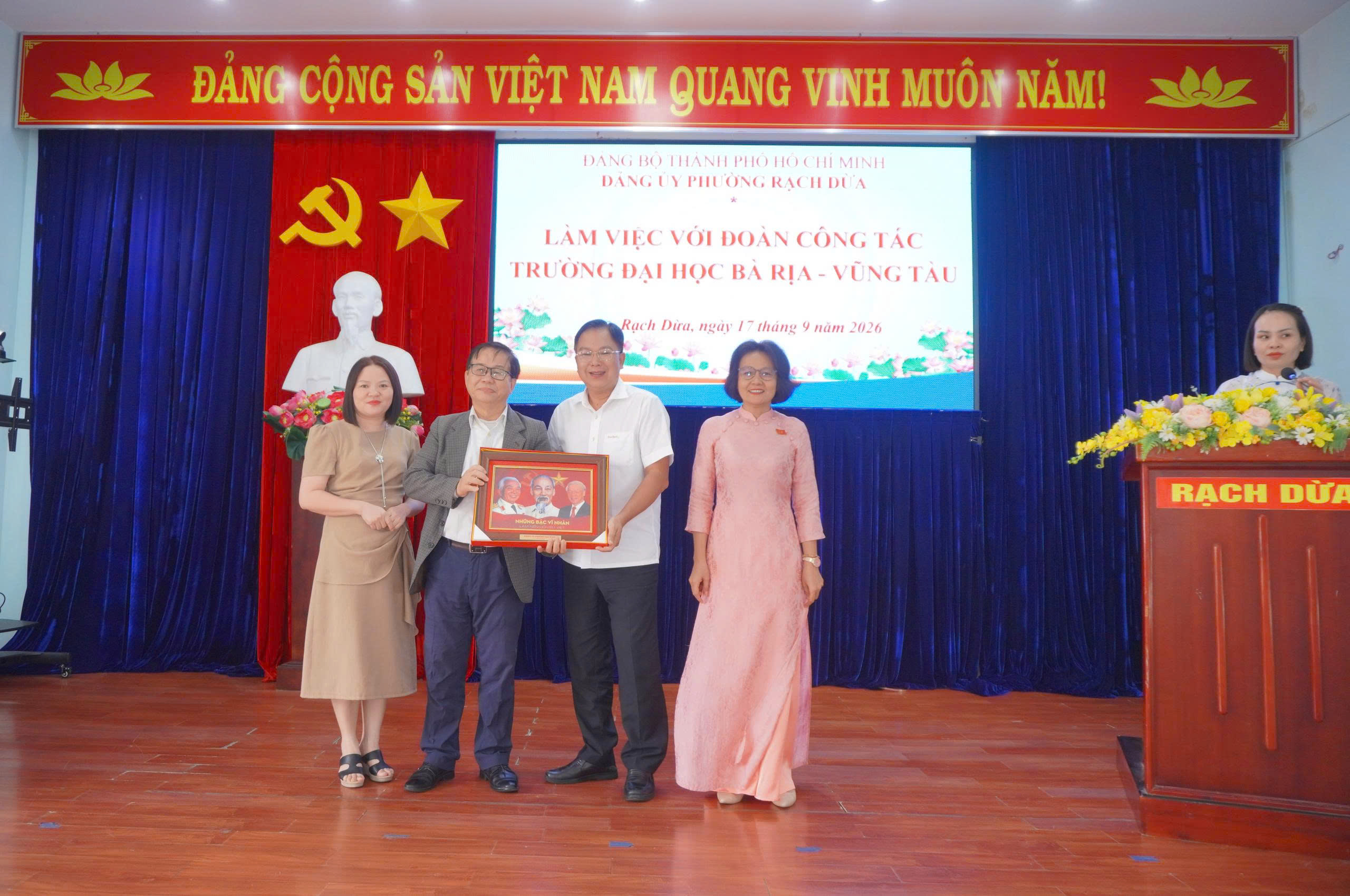
KEY COLLABORATIVE PRIORITIES
During the session, leaders from the Ward Party Committee, People’s Committee, Fatherland Front, and Police Department candidly laid out pressing municipal issues, placing targeted requests with the university:
Digital Transformation and Technology Adoption: The ward requested BVU’s support in executing the “Digital Mass Literacy” campaign, deploying IT students to train local Party branches on administrative management software, and guiding citizens through public digital portals. Additionally, the local administration needs tailored software for Party membership pipeline tracking, an interactive citizen-feedback handling dashboard, administrative workflow digitization, and technical data extraction to support an upcoming mass community health-screening campaign.
Workforce Upskilling and Professional Support: Scale up specialized training for civil servants on public interaction skills, diplomatic protocol, foreign languages, and modern governance capacities; assist the ward in compiling local historical archives; and provide legal advisory services to local residents and SMEs.
Public Order and Safety: Maintain continuous, rigorous coordination to deter drug abuse and criminal activities among student communities; expand the “Safe Boarding House” model tied to local residential registration.
Operational Framework and Community Welfare: Hold biannual progress review meetings; launch the “One Initiative per Year” campaign; and co-organize community-driven programs including job fairs, youth entrepreneurship forums, and environmental stewardship efforts.
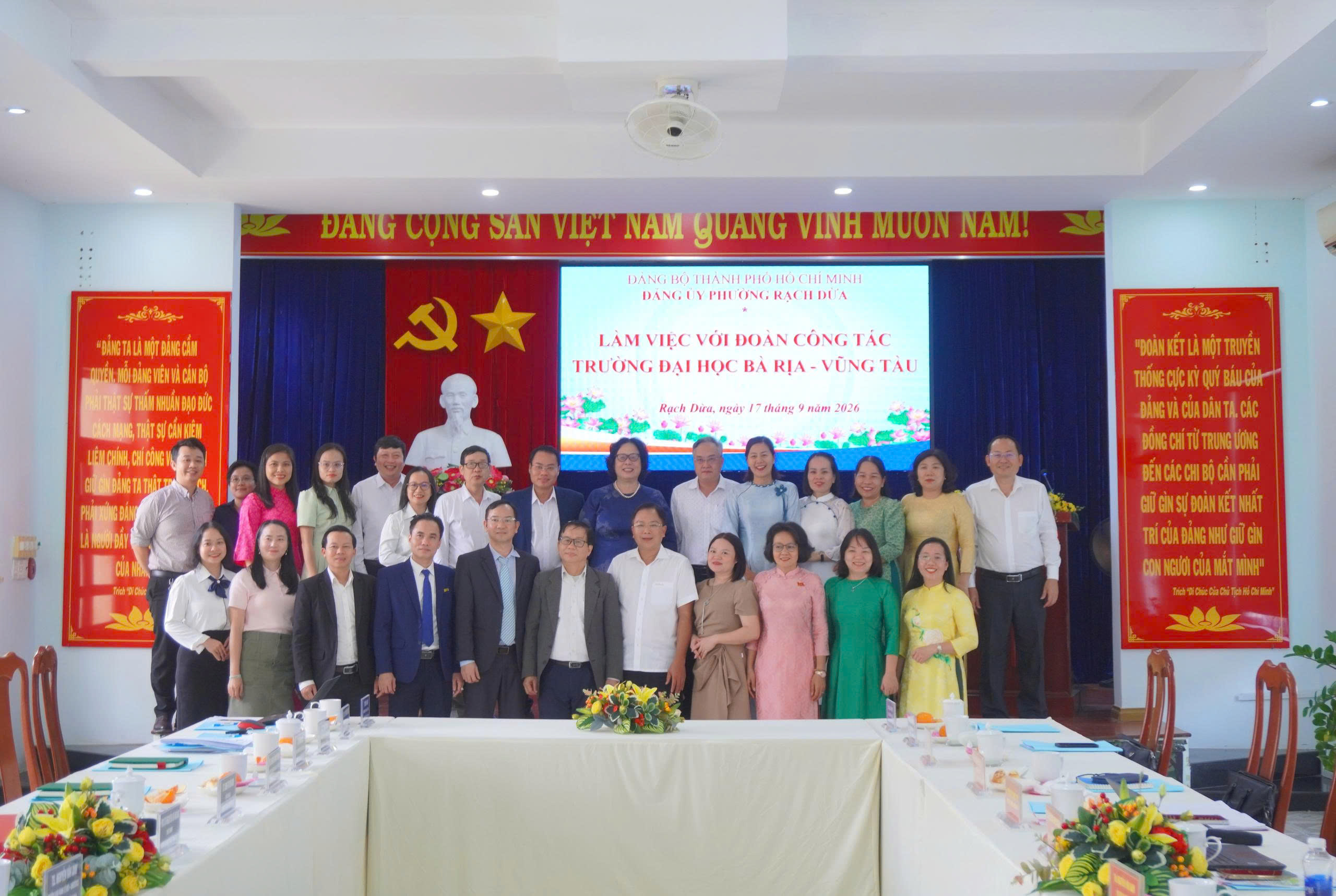
Chaired by Comrade Nguyen Phuc Hoang and Assoc. Prof. Dr. Nguyen Ba Hoang, both parties agreed to swiftly translate these priorities into clear task forces, establish a joint coordination regulation and liaison committee, and kick off implementation within October.
The working session demonstrated that bridging higher education with grassroots public administration delivers tangible value. When universities open their doors directly to the community, academic impact is measured by positive shifts in citizens’ daily lives—enriching inter-agency cooperation while equipping the rising workforce with real-world experience.