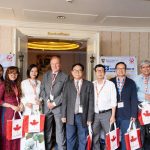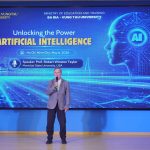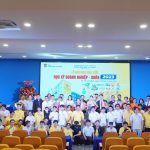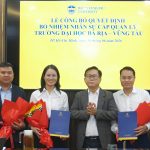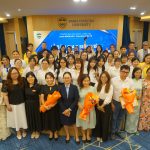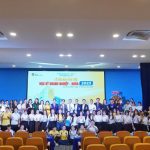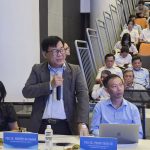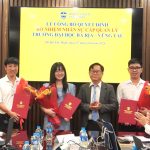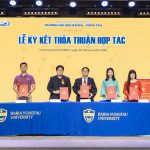

More than just an academic talk, the seminar on “Optimizing Transportation Connectivity and Seaport Operations for Group 4” opened up a space for practical dialogue, where students gained direct access to the “hot” issues of the modern logistics industry. Under the expert perspective of Dr. Le Van Thuc – Deputy Director of the Ho Chi Minh City Maritime Administration, seemingly macro-level problems became accessible, clear, and highly topical.
The program took place on the morning of April 20, 2026, at the Campus 3 Auditorium, organized by the Faculty of Marine Economics – Logistics, with the attendance of Mr. Nguyen Phuc Hoang – Party Secretary of Rach Dua Ward; Assoc. Prof. Dr. Nguyen Ba Hoang – Rector; Dr. Nguyen Van Anh – Acting Vice Dean of the Faculty of Marine Economics – Logistics; along with leaders of BVU’s Faculties, Institutes, Departments, and units, business representatives, lecturers from the Faculty of Economics, and a large number of students.
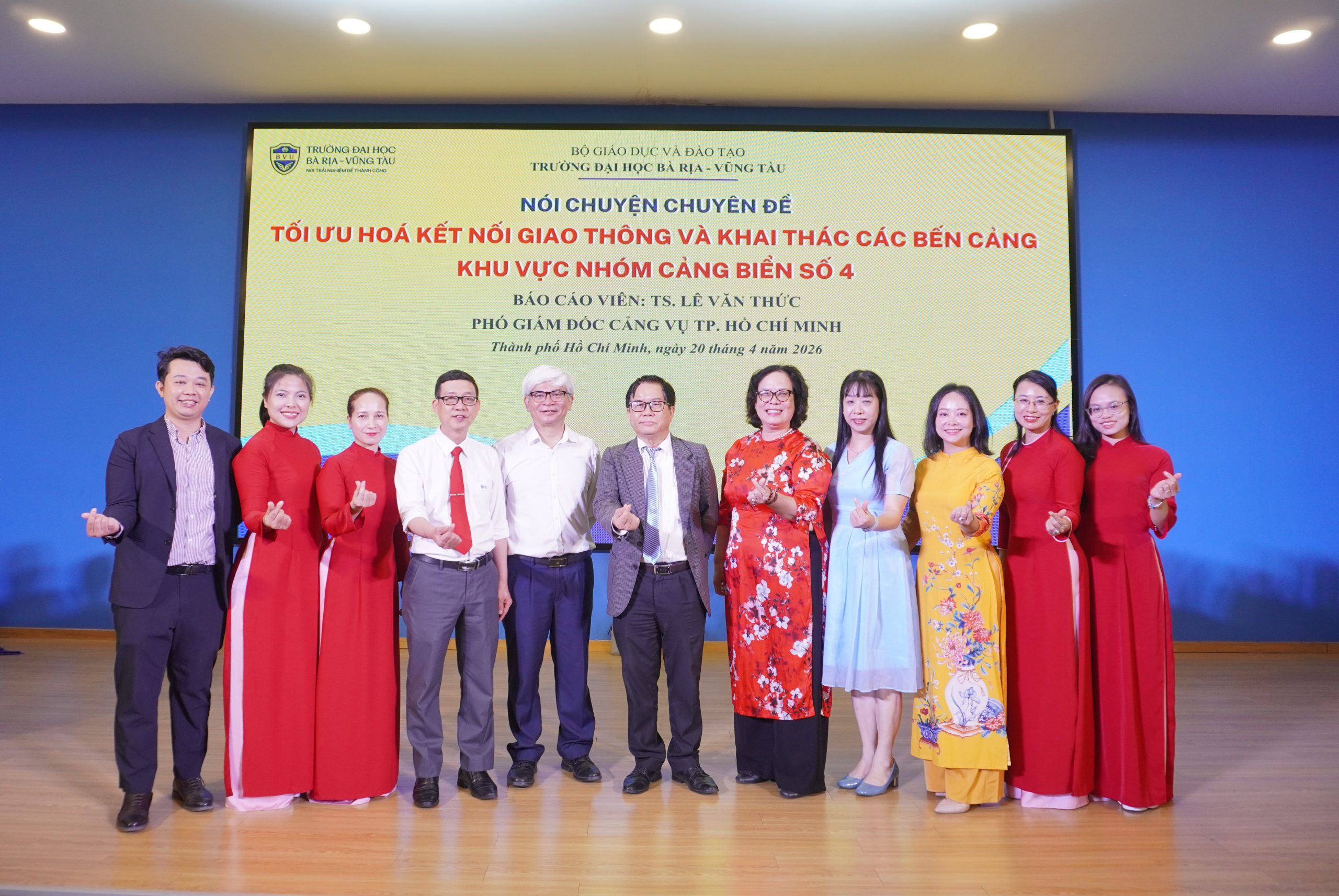
From the classroom to industry reality
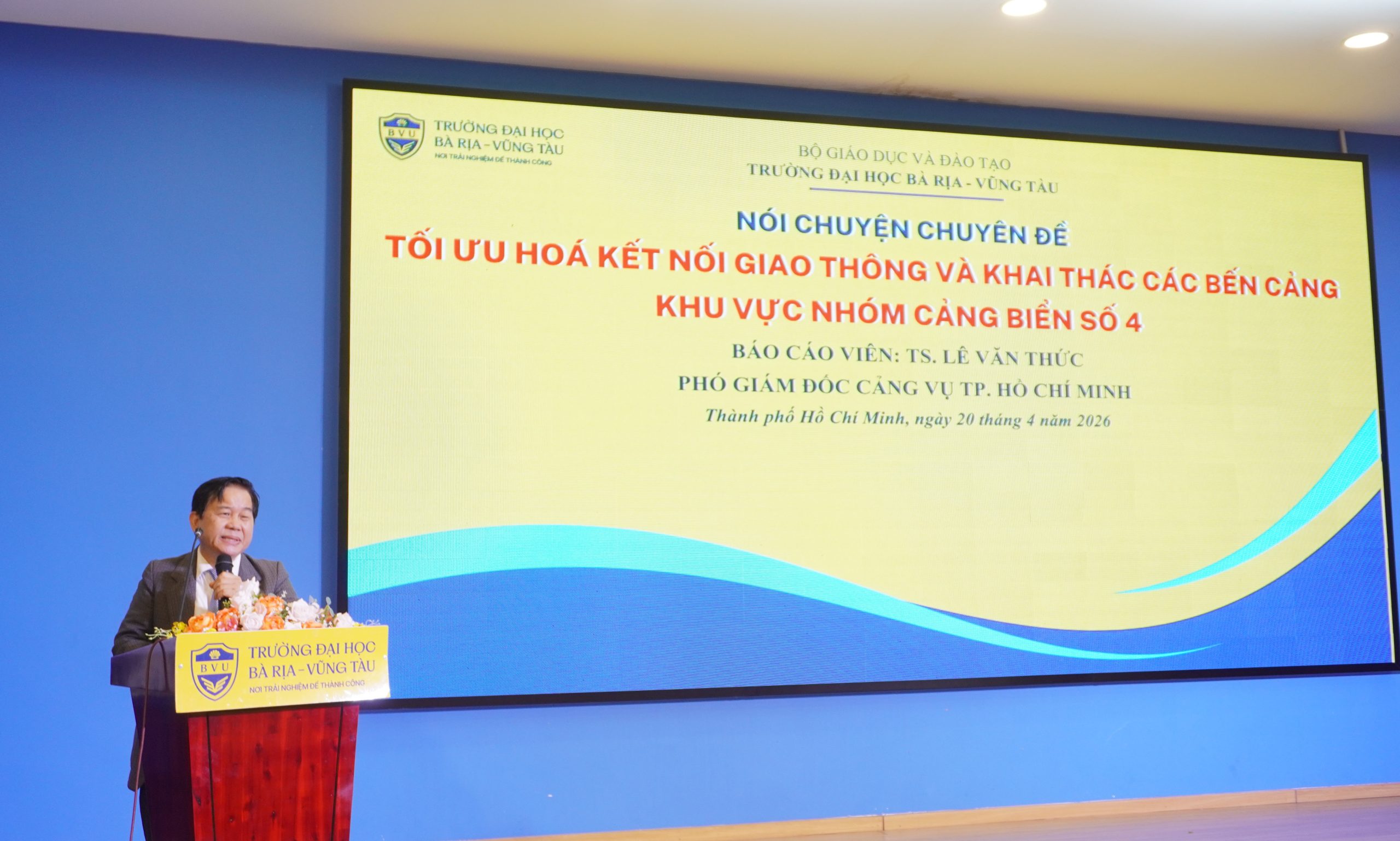
In her opening remarks, Dr. Nguyen Van Anh – Acting Vice Dean of the Faculty of Marine Economics – Logistics emphasized the strategic position of the Group 4 seaport system in the overall socio-economic development oriented by the Government. Not only is it the most vital trading gateway in the Southern region, but the Group 4 port cluster is also likened to the “heart” of the logistics supply chain, playing a key role in enhancing national competitiveness. Dr. Nguyen Van Anh also highlighted the multi-dimensional significance of the seminar – not only for local management in infrastructure planning and development but also for training, research activities, and especially the career orientation process for students.
“Dissecting” the seaport system: Facing the bottlenecks head-on
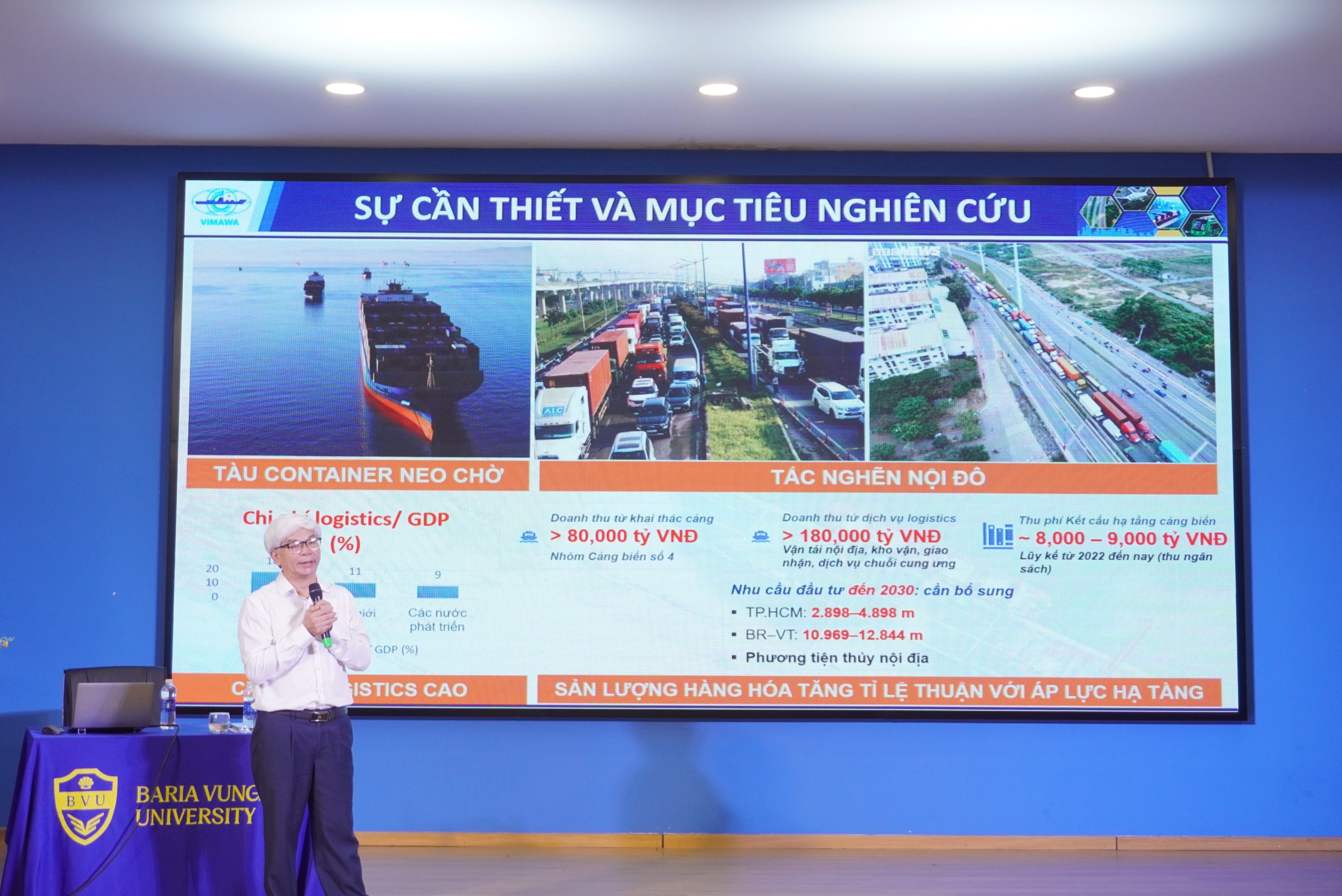
The highlight of the program lay in the presentation by Dr. Le Van Thuc – a member of the aforementioned project team established by the Ministry of Construction, who directly researched and developed the project, and is also an industry leader directly involved in the management and operation of the Southern region’s seaport system. With a data-driven approach and extensive practical experience, the speaker painted a comprehensive overview of the Group 4 seaports.
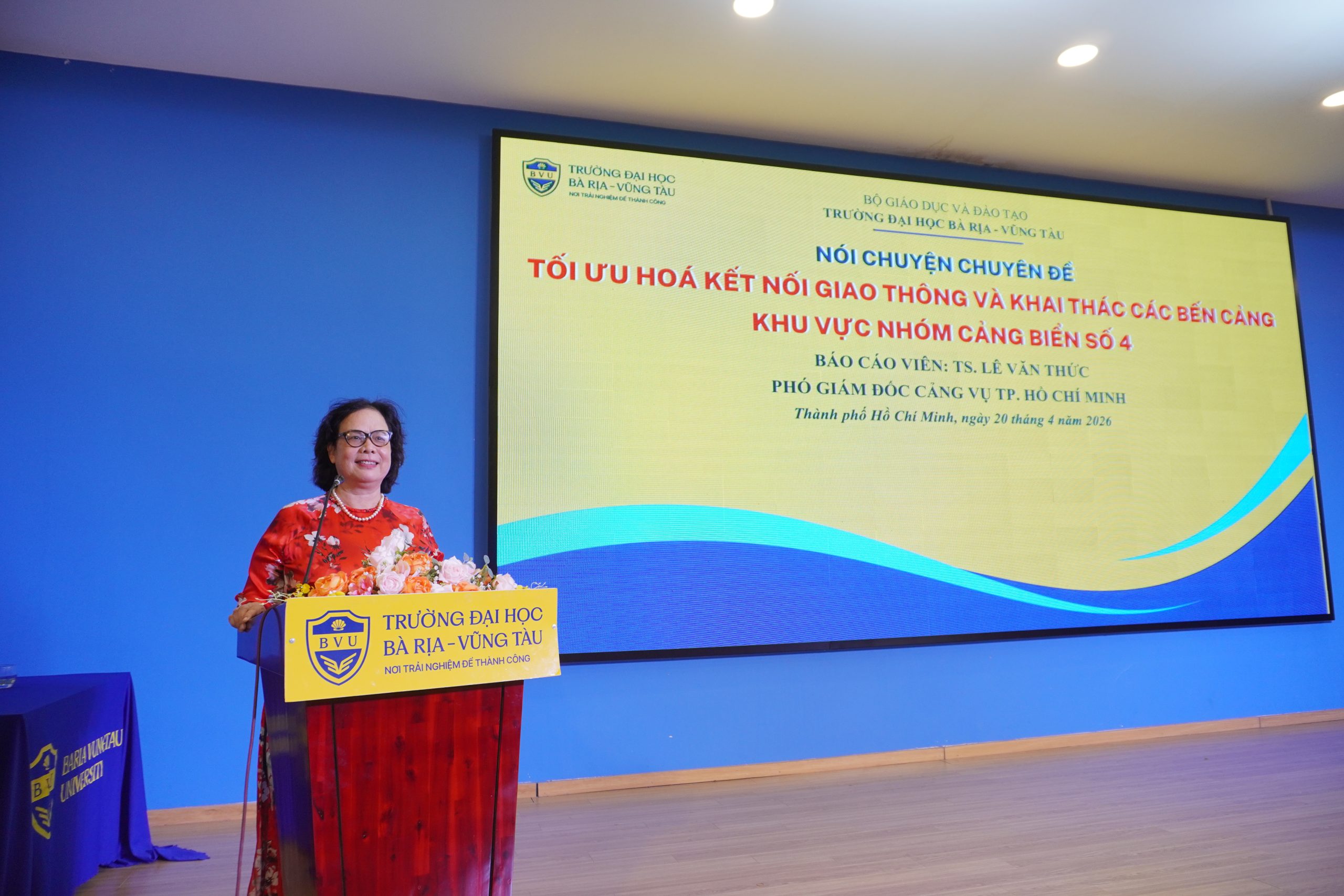
Accordingly, by 2025, this region is expected to reach a throughput of nearly 400 million tons of cargo and over 14 million TEUs – figures that demonstrate the “locomotive” role of Southern logistics. However, behind this impressive growth is the increasingly evident pressure of overload, particularly at “hotspots” such as Cat Lai or ICD Truong Tho.
One of the core issues identified is the serious imbalance between transport modes. As the majority of cargo still depends on road transport, the urban infrastructure system is forced to “shoulder” a volume that exceeds its capacity thresholds. Meanwhile, inland waterway transport – a sustainable and efficient solution – has not yet been exploited in proportion to its potential. From this reality, the speaker proposed a strategic direction: restructuring the logistics system towards integration, multimodality, and sustainability. Key solutions include developing a network of Inland Container Depots (ICDs) and depots near cargo sources, significantly shifting traffic volume to inland waterways, and promoting digital transformation while building shared data systems. If implemented synchronously, this will not only be the solution to the congestion problem but also a lever to enhance the competitiveness of the entire regional logistics chain.
When students step into “real-world problems”
The atmosphere in the auditorium became more vibrant during the Q&A session. Questions revolving around green logistics, transport optimization, and career opportunities in the context of digital transformation were raised continuously, demonstrating the students’ deep interest and practical mindset.
A notable point was the proactivity and frankness in the approach to issues. Students did not just stop at receiving information but truly participated in the process of “solving the problem” alongside the expert.
Tran Minh Anh – a student of the Faculty of Marine Economics – Logistics, shared: “I was impressed by the way the teacher analyzed the causes of congestion and the orientation towards shifting to inland waterway transport. This helps me understand the industry more clearly and feel more confident for my upcoming internship.”
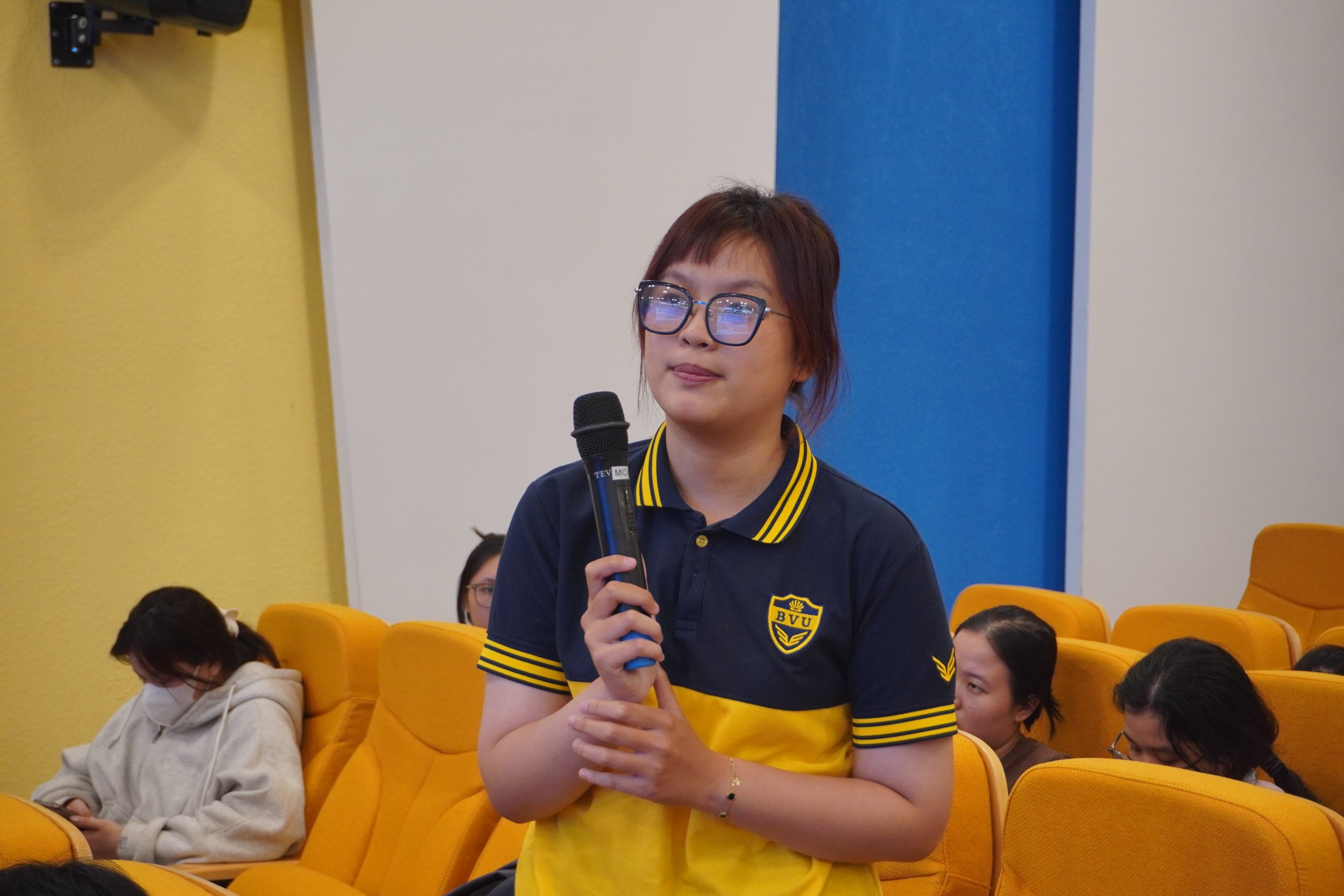
In addition to the active participation of students, lecturers also directly raised issues of both academic and topical significance.
Notably, Ms. Nguyen Thi Khanh Ly – a lecturer from the Faculty of Marine Economics – Logistics, raised a question regarding the trend of green logistics—a topic of intense interest in recent years. According to her, as green logistics becomes increasingly tied to the National Logistics Performance Index (LPI) and $CO_2$ emissions, how will the scenarios in the project impact the enhancement of logistics efficiency towards sustainability?
Addressing this issue, Dr. Le Van Thuc stated that green logistics is no longer just a trend but has become a “vital” factor in the entire supply chain. In the project, “green” elements have been initially addressed through directions for transport mode conversion, increasing the proportion of inland waterway transport, developing green port systems, and reducing pressure on road transport.
However, the speaker also candidly acknowledged that specifically quantifying the impact of these solutions on the National Logistics Performance Index (LPI) remains a gap that requires further research. This will be an important direction in the coming time to ensure sustainable logistics development goals, in line with the “greening” orientation of Vietnam’s economy.
Spreading knowledge – Connecting the future
In his closing remarks, Assoc. Prof. Dr. Nguyen Ba Hoang – Rector of the University, highly appreciated the academic and practical value brought by the seminar. He affirmed that this is not just an extracurricular activity but a concrete step in realizing BVU’s orientation of “practice-linked training.”
From the in-depth analysis of Dr. Le Van Thuc, the University has gained a clearer view of the bottlenecks in the Group 4 seaport cluster as well as the urgent requirement for optimizing multimodal connectivity, aiming towards modern, green, and sustainable logistics development. This is considered an important source of practical data to enhance the quality of teaching and research.
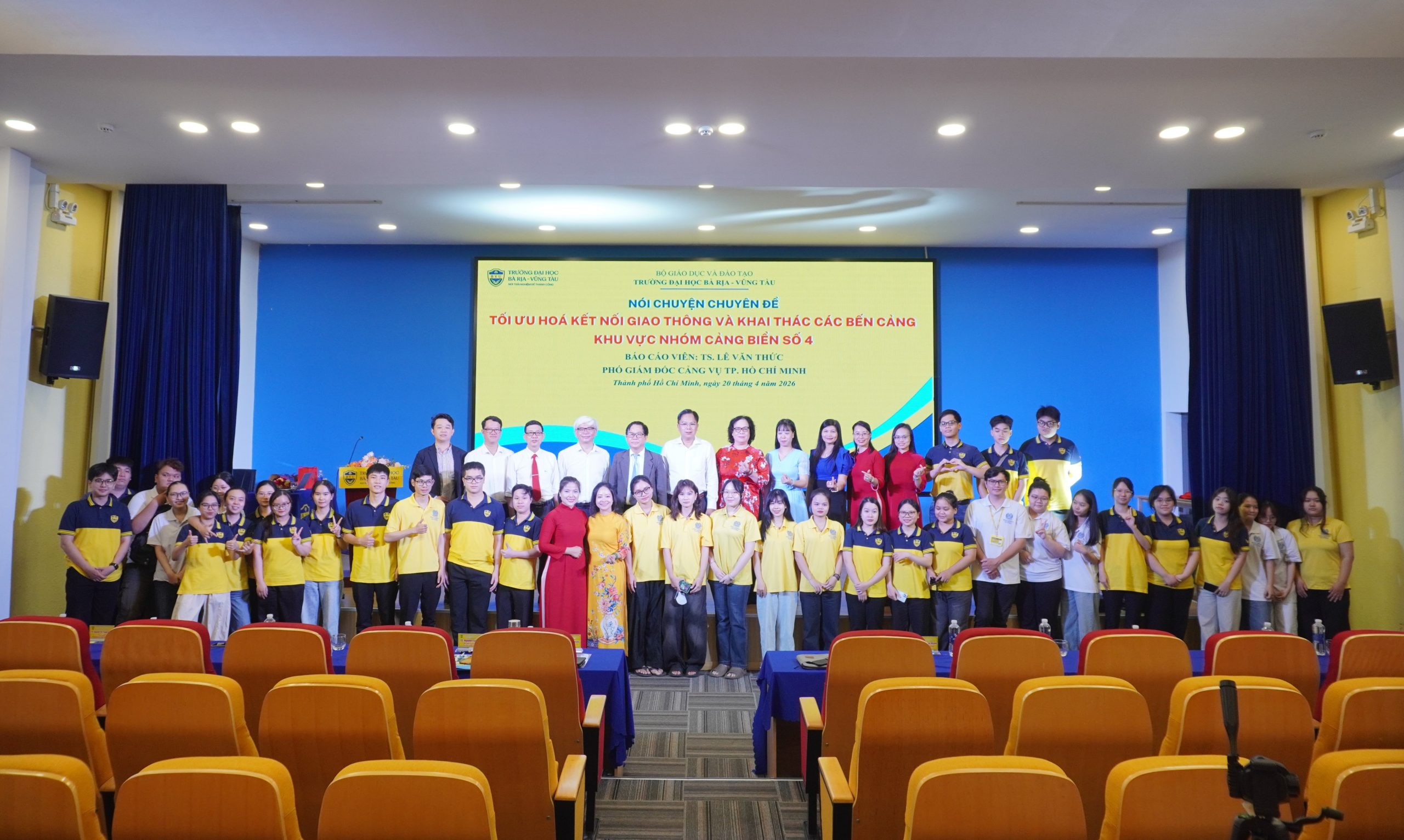
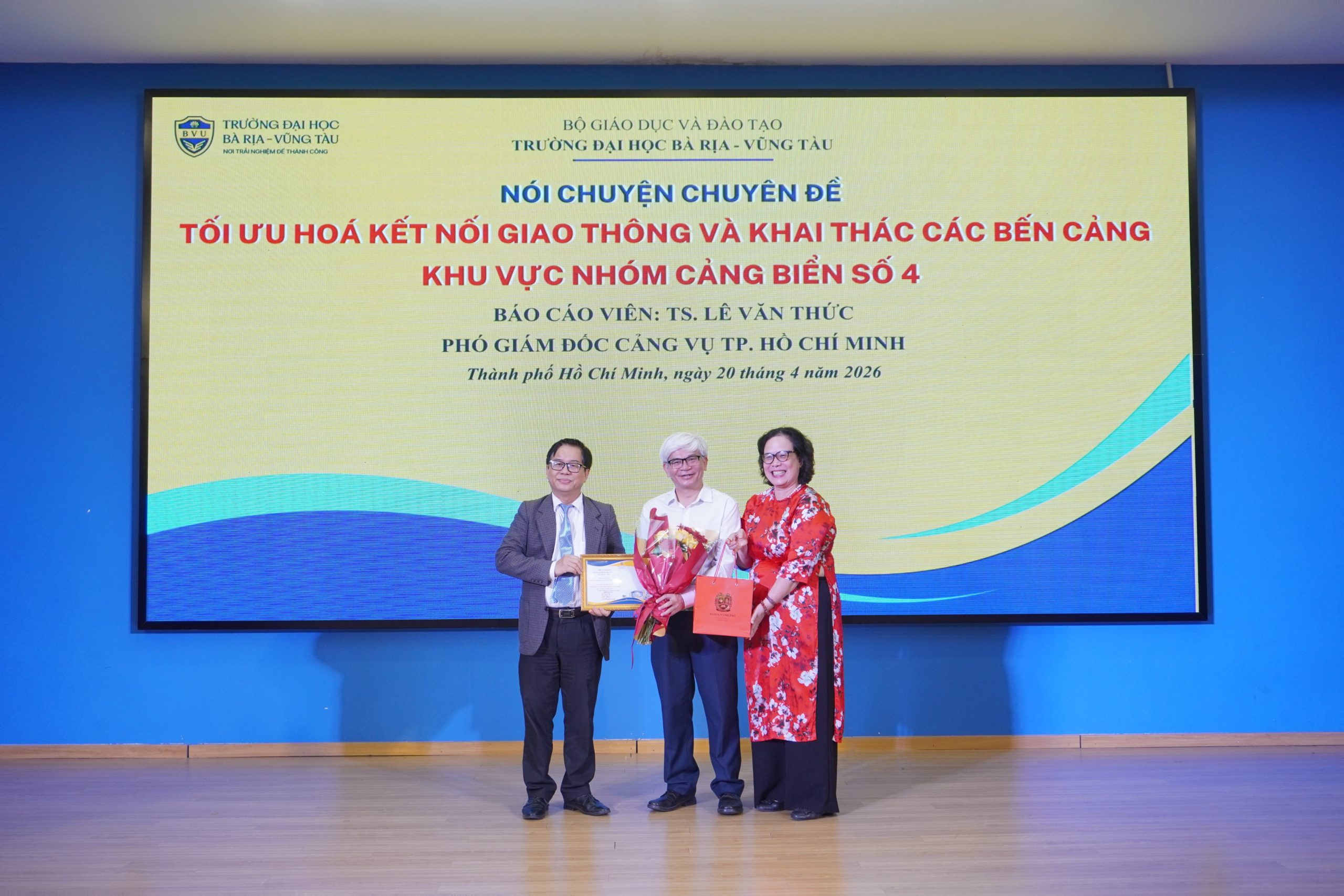
Closing the program, Assoc. Prof. Dr. Nguyen Ba Hoang expressed his deepest gratitude to Dr. Le Van Thuc for the excellent presentation. Simultaneously, in his capacity as the head of the university, he assigned specific tasks to lecturers and students—particularly those from the Faculty of Marine Economics – Logistics—to integrate the seminar’s results into relevant lecture content and to proactively seek creative solutions to address the industry’s practical challenges. Assoc. Prof. Dr. Nguyen Ba Hoang affirmed a readiness to share urban logistics and transportation infrastructure solutions, making practical contributions to the sustainable socio-economic development of Rach Dua Ward in particular and Ho Chi Minh City in general.
The seminar concluded, but the directions set forth will continue to resonate, becoming the motivation for faculty and students to transform together, ready to adapt and lead the development of the logistics industry in the new era./.
MBA. Ngo Thi Tuyet – Faculty of Marine Economics – Logistics