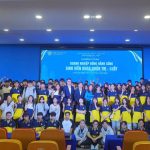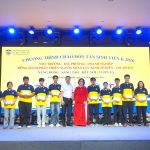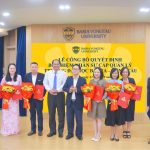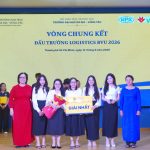

As Ho Chi Minh City aggressively pursues its roadmap to becoming a “Knowledge Megacity,” the voices of education experts have become more vital than ever. At the 2026–2030 strategic consultation workshop, the proposal by Assoc. Prof. Dr. Nguyen Ba Hoang – President of Ba Ria – Vung Tau University (BVU) – introduced a groundbreaking perspective: Integrating the destiny of the marine economy and logistics into the city’s “scientific and technological backbone.
Vision 2030: Science as the Engine of Growth
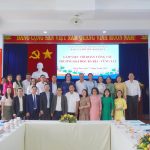
The expert consultation workshop for Ho Chi Minh City’s “Scientific Research, Technological Development, and Capacity Building Program (2026–2030)” took place in an atmosphere of strategic urgency. The city has set an ambitious target: by 2030, Total Factor Productivity (TFP) must contribute 60% to the GRDP. Furthermore, HCMC aims to establish at least five world-class R&D and innovation centers in key sectors. These challenging figures demand a true revolution in how priority fields are approached.
Speaking at the workshop, a representative from the HCMC Department of Science and Technology emphasized that transitioning to a knowledge-based growth model is no longer an option—it is the only path forward. However, the critical question remains: Where should resources be prioritized to create the greatest momentum?
Strategic Insights from the “Logistics Heart” of the East
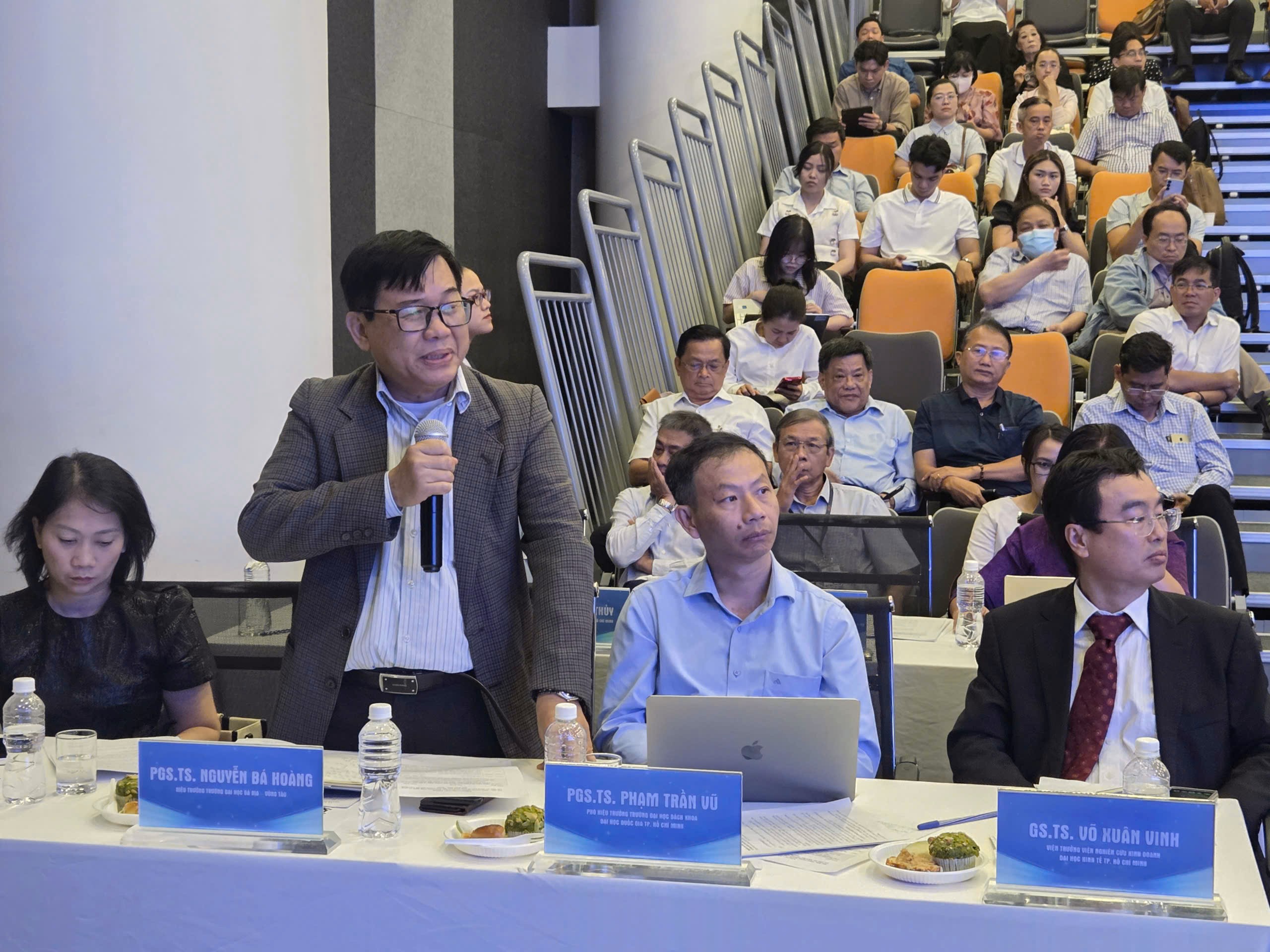
Offering heartfelt and profound contributions, Assoc. Prof. Dr. Nguyen Ba Hoang – President of BVU – brought a practical perspective from the vantage point of a university located at the nation’s maritime hub. According to President Nguyen Ba Hoang, within HCMC’s strategic framework of “3 regions – 1 special zone – 3 corridors – 5 pillars,” the marine economy and logistics are not merely economic sectors but the “lifeblood” connecting the City to international economic corridors.
Assoc. Prof. Dr. Nguyen Ba Hoang – President of BVU remarked: “Ho Chi Minh City possesses a competitive advantage in connectivity infrastructure. However, to truly achieve a breakthrough in the global value chain, we require in-depth research into smart supply chain management, seaport logistics, and particularly airport logistics. This is not just a local necessity but a strategic puzzle for the entire Southern Key Economic Region.”
This analysis precisely addressed the city’s “bottlenecks.” The BVU President’s insights were immediately acknowledged and highly valued by the workshop chair. Consequently, research directions for the Marine Economy and Logistics were officially added to the City’s 7 key research groups, becoming priority science and technology tasks for the next five years.
BVU: From Solid Internal Strength to a Pioneering Position
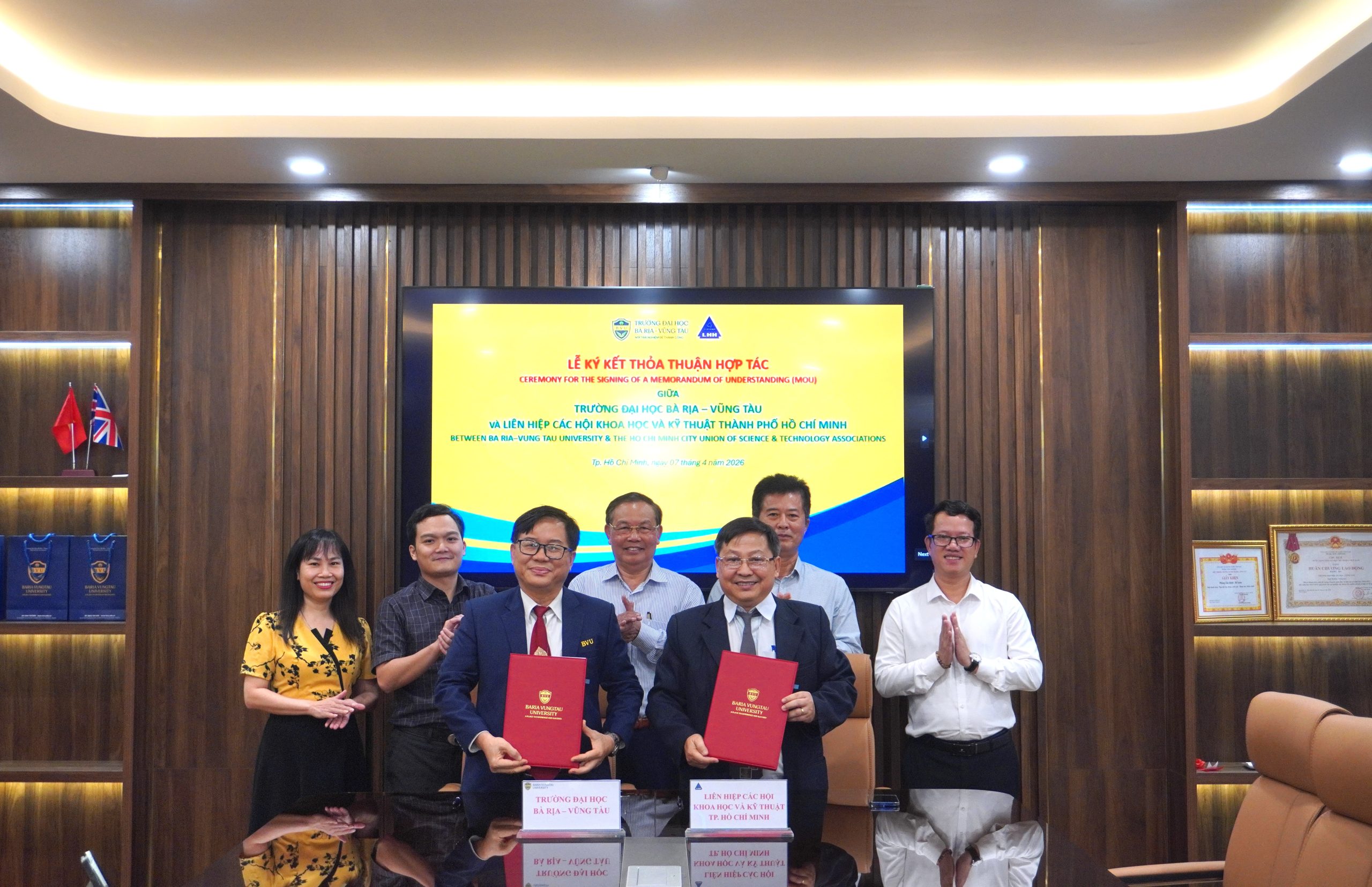
For such strategic contributions at a city-level workshop to carry weight, BVU has undergone a rigorous journey of internal empowerment. By the end of 2025, the university achieved spectacular milestones: 100% of its training programs met the accreditation standards of the Ministry of Education and Training, affirming that its output quality is on par with major regional universities.
BVU’s transformation in 2026 goes beyond mere numbers. The university has demonstrated a keen vision by launching a series of new academic majors designed to “anticipate” the mega-infrastructure projects of HCMC and surrounding areas.
As HCMC accelerates progress on Metro lines and high-speed rail projects, BVU is ready to train human resources for Metro & High-Speed Railway Management and Operations. As Long Thành International Airport and the Cái Mép – Thị Vải port clusters demand professional operations, BVU provides the solution through specialized fields such as: Construction Project Management, Logistics & Supply Chain Management, Airport Logistics, Seaport Logistics – Import/Export – International Freight Forwarding, Maritime Economics, and Multimodal Transport & Logistics Management.
Applied Training: The Solution to the “Thirst” for High-Quality Human Resources
One of the highlights that garnered significant interest from workshop delegates was the university’s capacity for practical human resource supply. BVU’s training programs are strictly aligned with HCMC’s 7 key focus programs:
-
Digital Transformation and Smart Cities: BVU has pioneered the integration of Artificial Intelligence (AI) across all disciplines. Students do not just study theory; they master Big Data and Blockchain to become “digital-ready” for the new economy.
-
High-Tech Manufacturing: The university’s programs in Electric Vehicle (EV) Engineering Technology and Software Engineering are directly cultivating a workforce of engineers for the Fourth Industrial Revolution (Industry 4.0).
-
Logistics and Supply Chain Management: Through its Bachelor and Talent Bachelor programs, BVU is producing managers capable of operating the most complex logistics systems, spanning road, maritime, and aviation sectors.
The “synergy” between BVU’s educational orientation and HCMC’s demands is no coincidence. It is the result of rigorous labor market research and the proactive spirit of a dynamic “Coastal Urban University.”
Global Integration and a Human-Centric Commitment
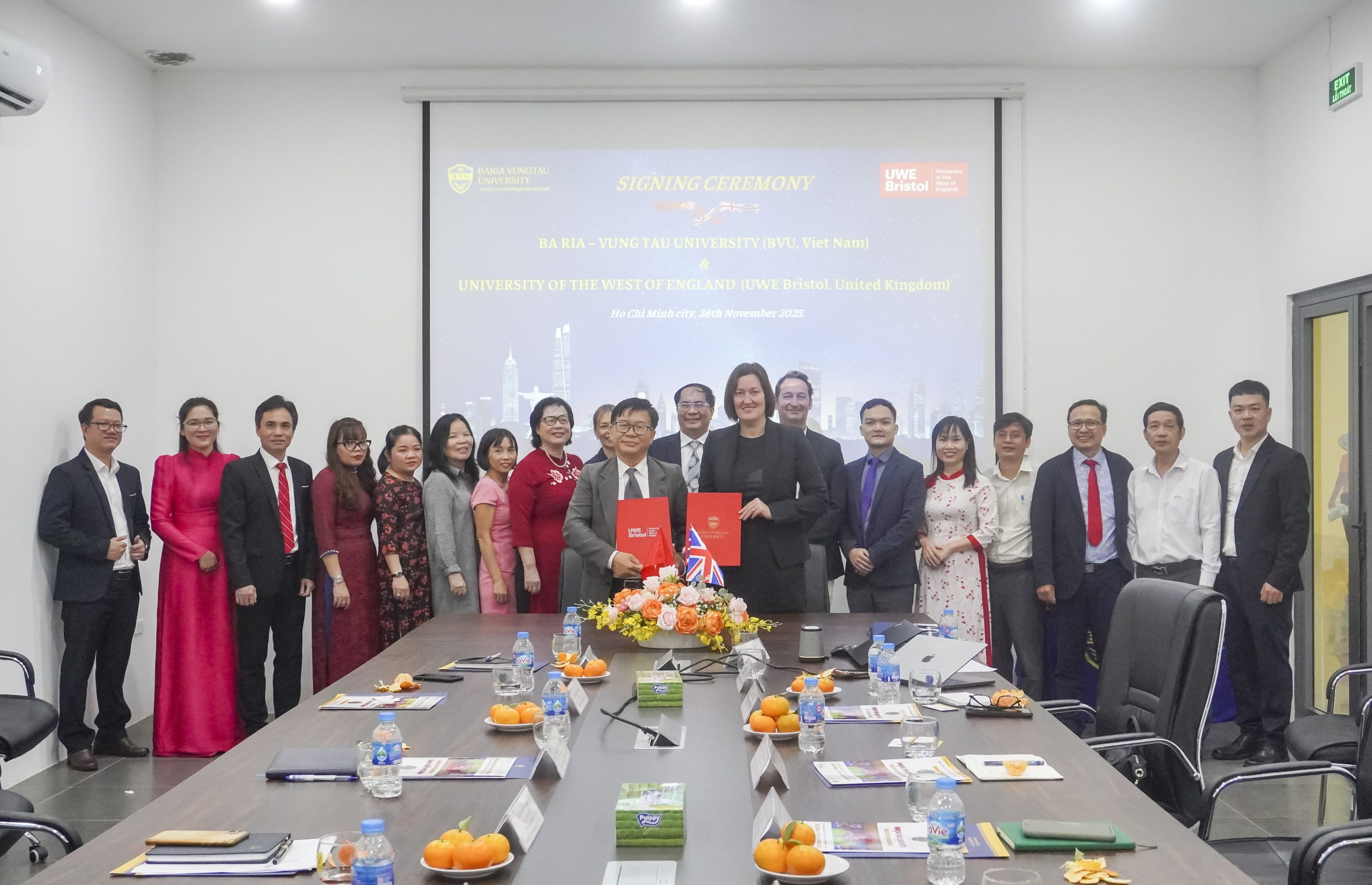
Expanding far beyond the domestic borders, BVU is aggressively pursuing deep international integration. Academic partnerships with the University of the West of England (UWE Bristol), alongside strategic collaborations with global technology and educational giants such as Odoo (Belgium), UCSI University (Malaysia), and Andrews University (USA), ensure that BVU students develop a global mindset through international-standard curricula. This is the key factor enabling Vietnamese personnel to confidently compete in the global labor market.
Notably, behind these macro-strategies lies a profound dedication to the learners. In 2026, BVU announced a massive scholarship fund of 10 billion VND, offering 1,500 slots for freshmen. A policy of fixed tuition fees for the entire course, coupled with high-tech incentives (iPhones, iPads, Laptops), serves not only as financial support but as a steadfast commitment to accompanying the aspirations of the younger generation.
Expectations for a Sustainable “Triple Helix” Partnership
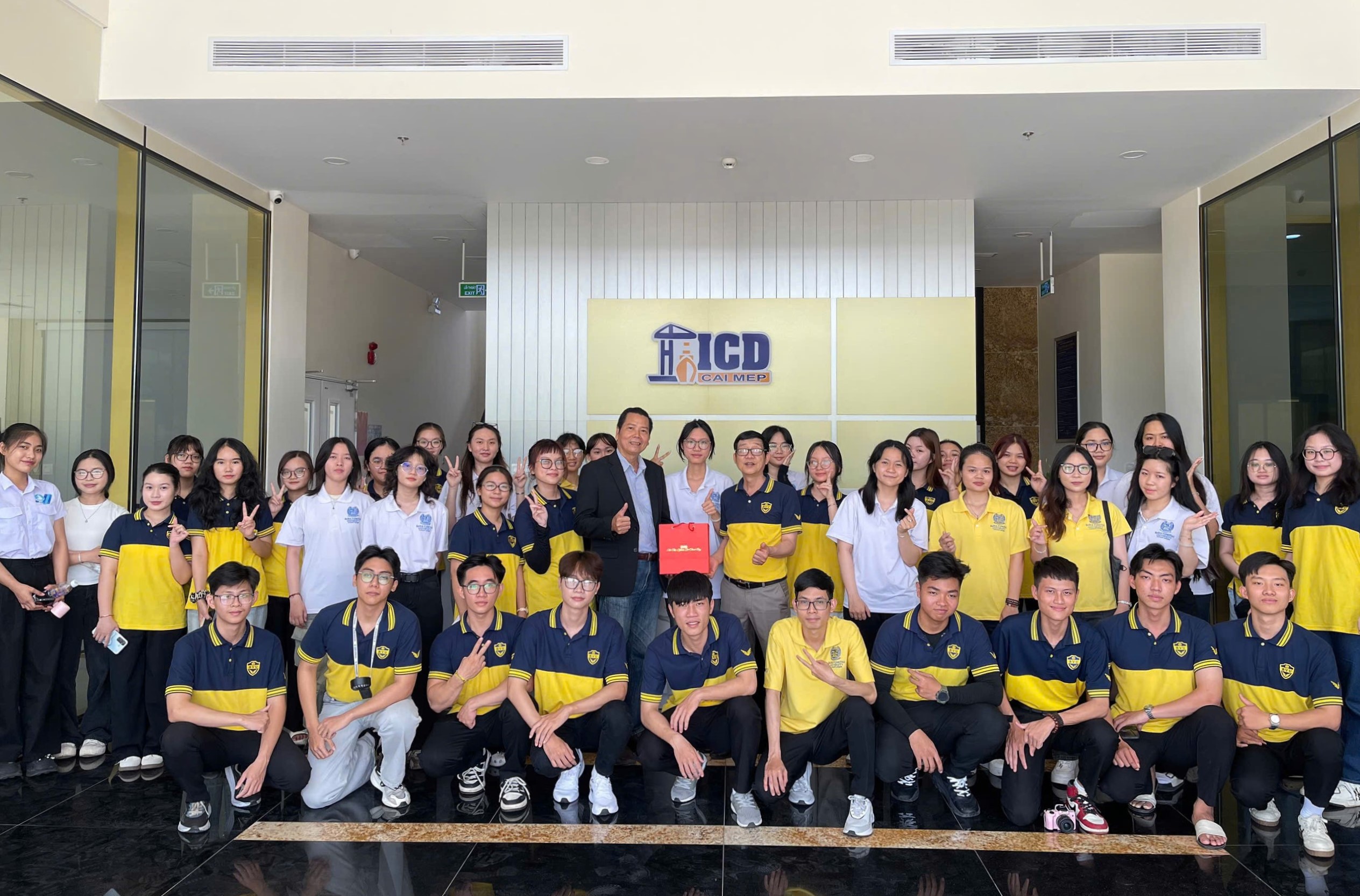
Closing the workshop, the representative from the HCMC Department of Science and Technology affirmed the commitment to further strengthening the “State – University – Enterprise” alliance. The contributions of Assoc. Prof. Dr. Nguyen Ba Hoang and BVU’s practical training model serve as clear evidence that universities are truly becoming “incubators” for entrepreneurial ideas and technology transfer.
As a vital link in the Eastern economic development axis, BVU is proving to be more than just a degree-granting institution; it is a strategic partner for the HCMC megacity. The synergy between the university’s spearhead disciplines and the City’s 7 key programs will serve as the foundation to realize the vision of positioning Ho Chi Minh City among the world’s top 100 most livable cities by 2030.
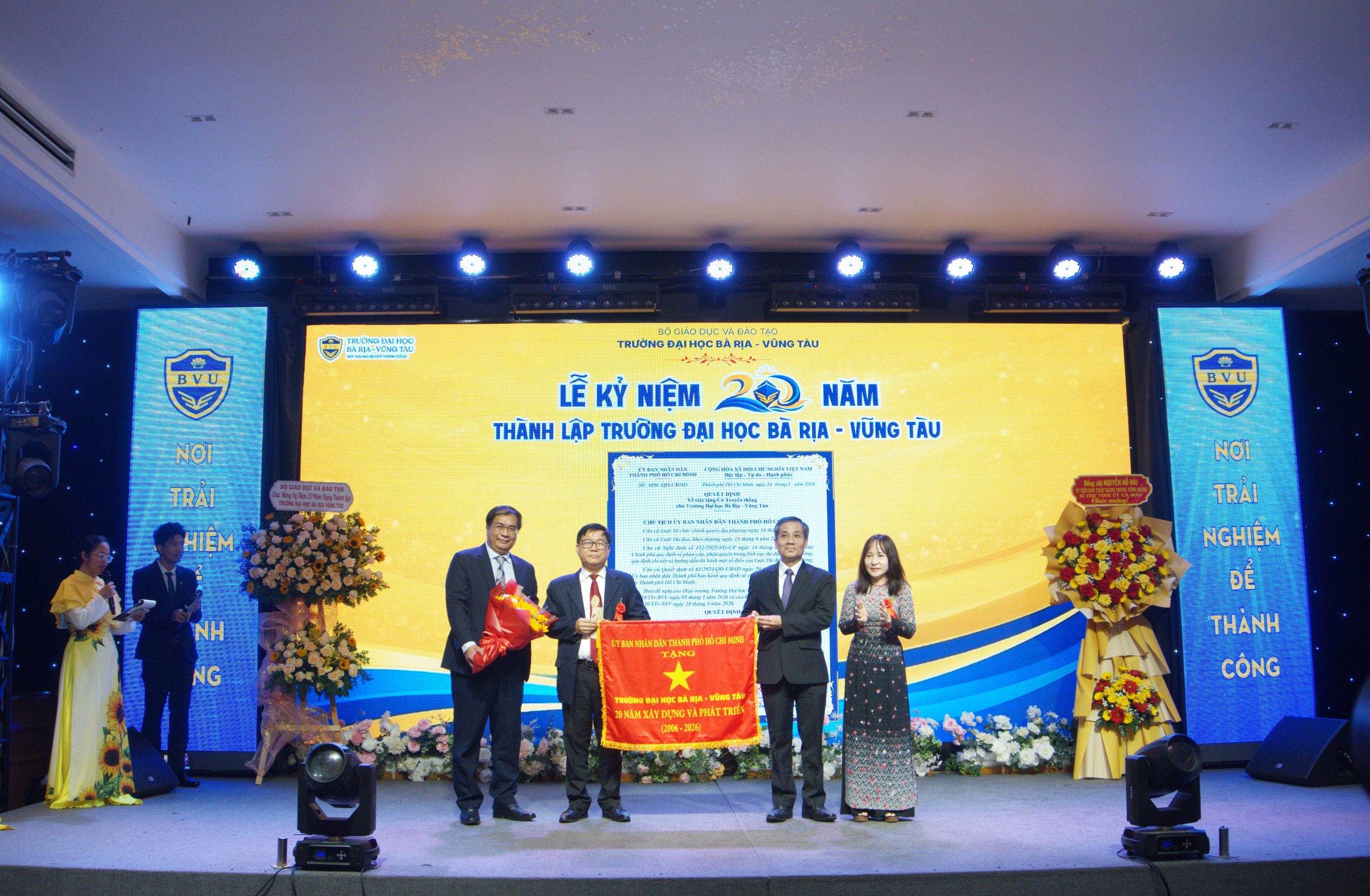
With decisive innovation and strategic acumen, BVU confidently affirms: A trusted institution has emerged to cultivate high-quality human resources for the marine economy and logistics of the HCMC megacity.
Source: Tin Tuc News, Author: Thuy Duong